Which cleaning tools are safe for resin patio furniture?
The safest tools for resin patio furniture are soft, nonabrasive ones: a microfiber cloth, a sponge, a soft brush, and a gentle spray of water. For routine care, mild soap and water are enough. Avoid steel wool, scouring pads, harsh powders, solvent cleaners, and high-pressure washing, since these can scratch, dull, or stress the surface and its fittings.
Resin furniture is popular outdoors because it handles sun, rain, and frequent use with little fuss. That does not mean every cleaning method is suitable. The outer surface may look smooth, but texture, molded details, legs, slats, and joint areas can trap grit. The right tool removes that grit without grinding it into the finish.
Start with the gentlest tool that can do the job
For loose dirt, use a dry microfiber cloth or a soft brush. This first pass matters because dry grit can act like sandpaper when water or soap is added. A light sweep over the seat, back, arms, and tabletop removes leaves, dust, and small particles before any scrubbing begins.
For everyday marks, a sponge or microfiber cloth with mild soap and water is usually enough. Work in small sections and rinse often. A soft brush is useful around molded seams, chair contours, and the spaces where a tabletop meets its frame. Keep the pressure light. If a mark needs heavy force, a harsher tool is probably not the answer.
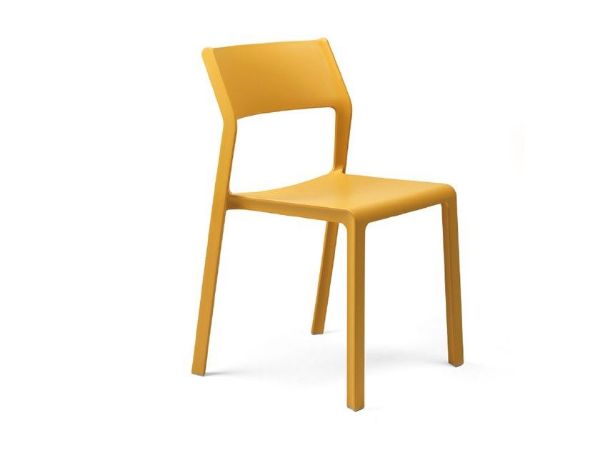
Nardi outdoor furniture often has molded resin surfaces with fine texture and shaped details, so soft tools are a sensible match. A brush with flexible bristles can reach recesses without leaving the same kind of damage that an abrasive pad can leave on visible edges.
Tools that are usually safe
- Microfiber cloths: Good for dusting, wiping diluted soap, drying, and polishing water spots.
- Soft sponge: Useful for general cleaning, especially on flat tabletops and smooth chair backs.
- Soft brush: Helpful for seams, grooves, feet, and textured areas where cloths cannot reach.
- Garden hose with a gentle spray: Suitable for rinsing soap away without forcing water into joints.
- Plastic scraper or old toothbrush: Can help with stuck-on debris when used carefully and kept away from edges.
A bucket is useful too, mainly because it lets the soap strength stay controlled. A little mild soap in clean water is enough for most patio grime. Stronger mixtures rarely clean better, and they can leave residue that attracts more dirt.
Tools and products to keep away from resin
Abrasive cleaners are the main problem. Scouring powders, steel wool, metal brushes, and rough pads can scratch resin, leaving dull patches that catch dirt later. Even if the damage looks small at first, repeated cleaning can make those areas stand out.
Solvents and strong chemicals also need care. Products made for glass, paint thinner, bleach-heavy cleaners, and degreasers may be too aggressive for outdoor resin, especially when they sit on the surface. They can affect color, sheen, or nearby parts such as cushions, feet, and hardware. If a product label does not clearly say it is suitable for resin, it is safer to avoid it.
High pressure is another risk. A pressure washer can lift dirt, but it can also force water into joints, roughen surfaces, and damage softer details. A hose with a steady, gentle flow is the better choice for most patio settings. If a stubborn stain needs more than that, switch to a softer tool and more time rather than more force.
Pay attention to parts, not just the surface
Outdoor chairs and tables are assemblies, even when they look like one piece. Cleaning around feet, caps, braces, and fasteners calls for more restraint than cleaning a flat top. Water that collects in small gaps can contribute to moisture buildup, especially when furniture stays covered or stacked soon after washing.
Let pieces dry fully before covering or stacking them. This is particularly relevant for chairs designed with stacking capacity, since nested frames can hold water in places that are not easy to see. A short drying period in open air can prevent musty smells and reduce the chance of marks transferring between pieces.

When checking furniture during cleaning, look for cracks, loose fittings, worn feet, or damaged caps. Replacement parts can help extend the useful life of a chair or table when the main frame is still sound. Clean the area gently before assessing damage, because dirt can hide the true condition of a joint or edge.
How different outdoor soils respond
Dust and pollen usually lift with a dry cloth or a quick rinse. Mud should be loosened with a soft brush after it dries, then washed with mild soap. Bird droppings and tree sap are best handled promptly with a damp cloth and a little soap, followed by a gentle rinse. Letting them bake in the sun can make removal harder.
Mildew-like marks need a careful approach. A soft brush, mild soap, and thorough drying are a reasonable first response. If discoloration remains, check the product care information before trying anything stronger. Sun exposure can fade some outdoor materials over time, and cleaning cannot restore color that has changed.
For poolside furniture, rinse away splashed water and sunscreen residue on a regular basis. Sunscreen can leave a film that holds dirt. A sponge and mild soap usually handle it well. Salt air or mineral deposits may need more frequent rinsing, but abrasive tools should still stay out of the routine.
Make cleaning part of a simple care rhythm
The best cleaning plan is usually the least complicated one. Brush off loose debris, wash with mild soap, rinse well, and let the furniture dry. That rhythm keeps surfaces comfortable to use and makes it easier to spot small problems before they grow.
Seasonal care adds another layer. Before winter storage, remove dirt and let every piece dry completely. Moisture trapped under protective covers can lead to staining or mildew-like marks. Store furniture in a dry place when possible, and keep covers clean so they do not rub grit into tabletops and chair backs.
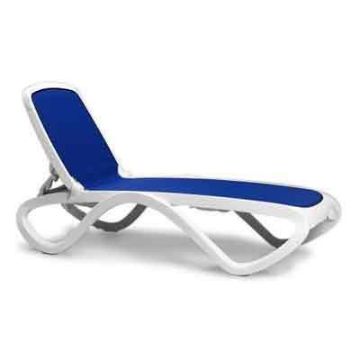
UV exposure is not a cleaning issue, but it affects how furniture ages. Shade where practical, rotate pieces when the setting allows, and keep surfaces clean so dirt does not add extra wear. Over time, small habits do more for resin furniture than occasional heavy scrubbing.
If a piece has a cracked frame, split seat, or missing support, cleaning alone will not solve the problem. Check whether replacement parts are available for that model, and handle sharp or broken edges with care. Damaged furniture can snag clothing or skin, so it should be repaired or taken out of use until it is safe.
Safe cleaning comes down to restraint. Choose cloth, sponge, soft brush, mild soap, and gentle water flow. Skip anything that scratches, dissolves, or blasts. With that approach, resin patio furniture stays easier to maintain, and the details that make it comfortable outdoors remain in good condition.